


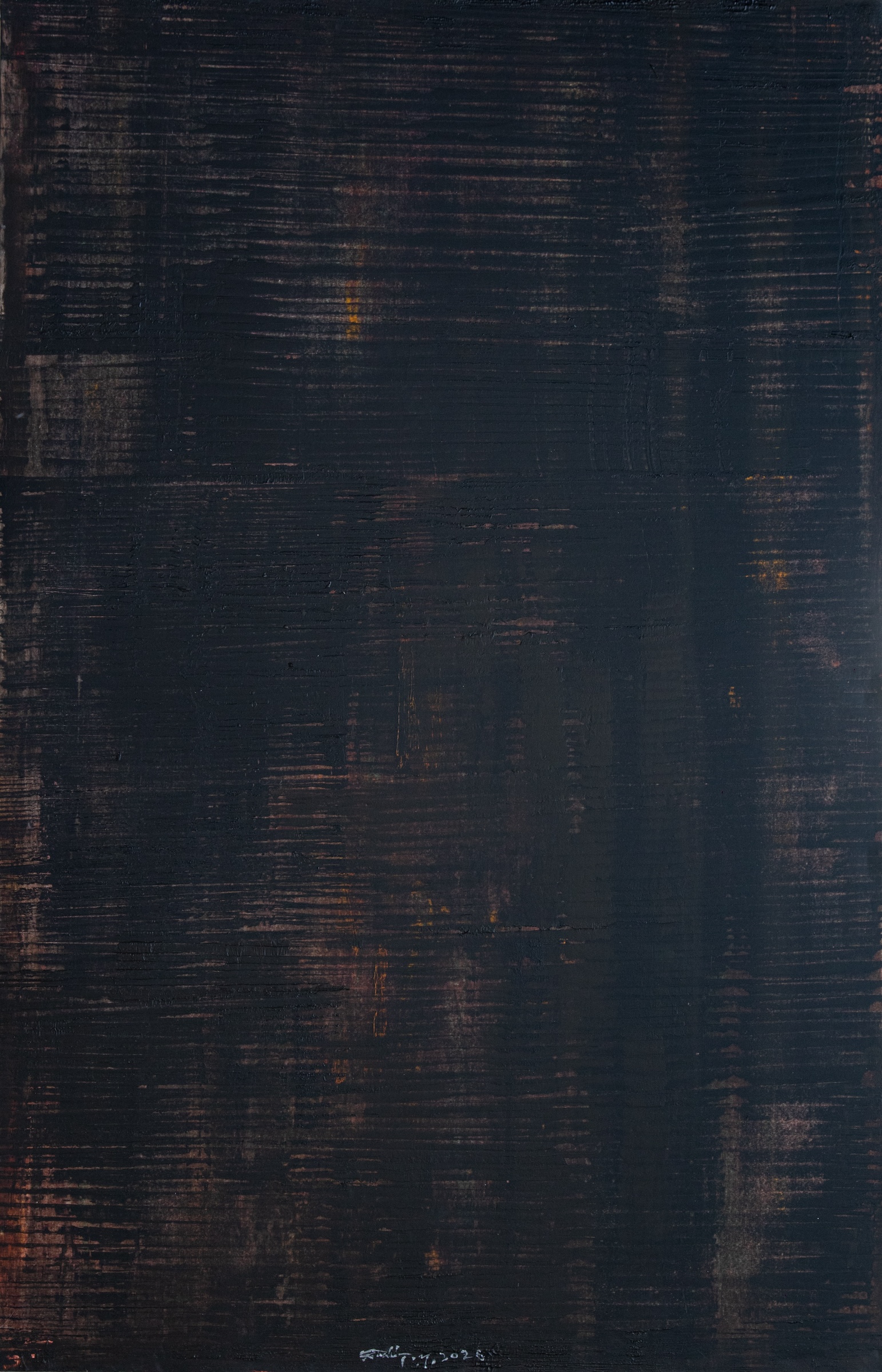
Endless steps I, Acrylic on canvas, 234 x 152 cm, 2026
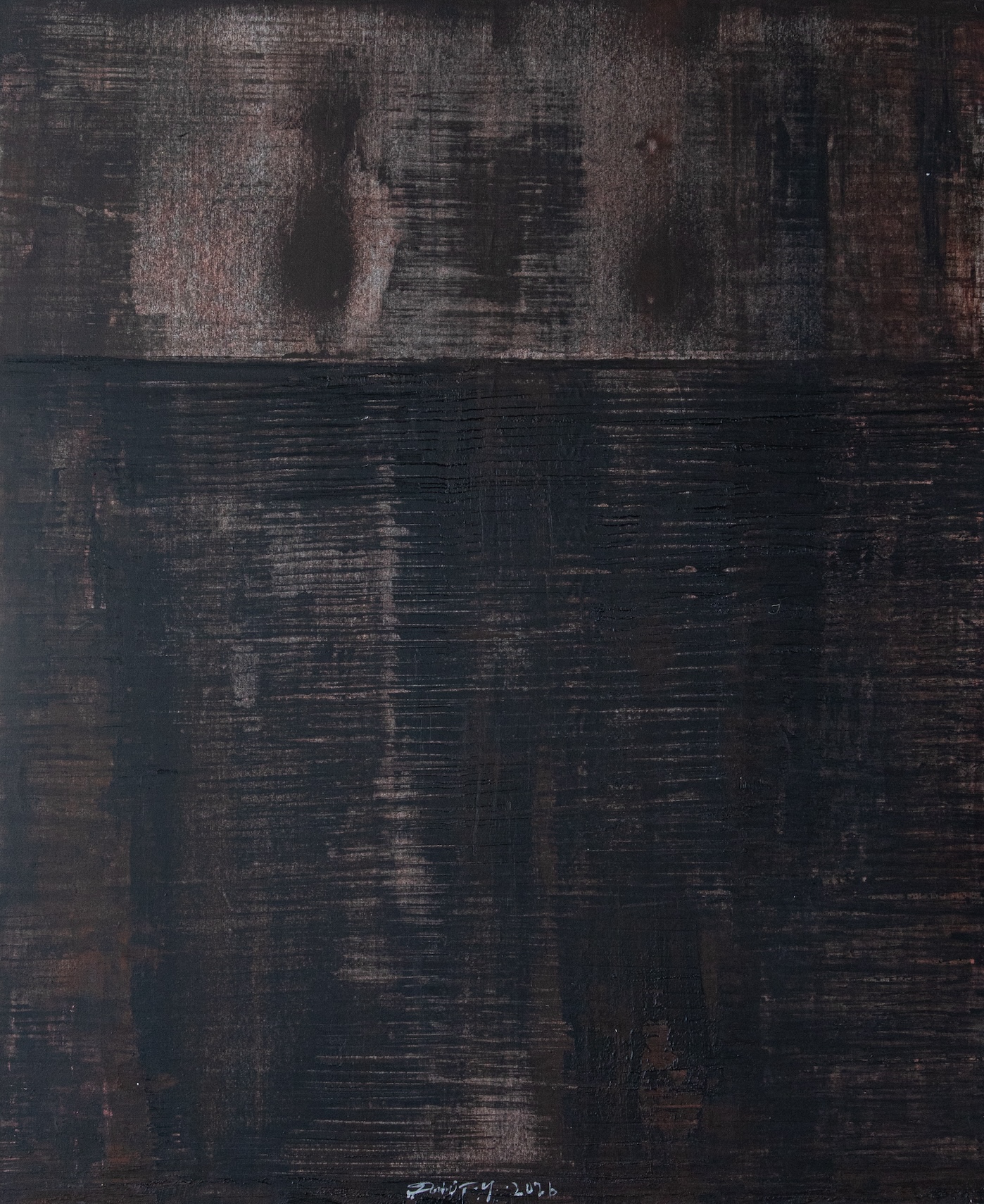
Endless steps II, Acrylic on canvas, 234 x 152 cm, 2026

Endless steps III, Acrylic on canvas, 234 x 152 cm, 2026
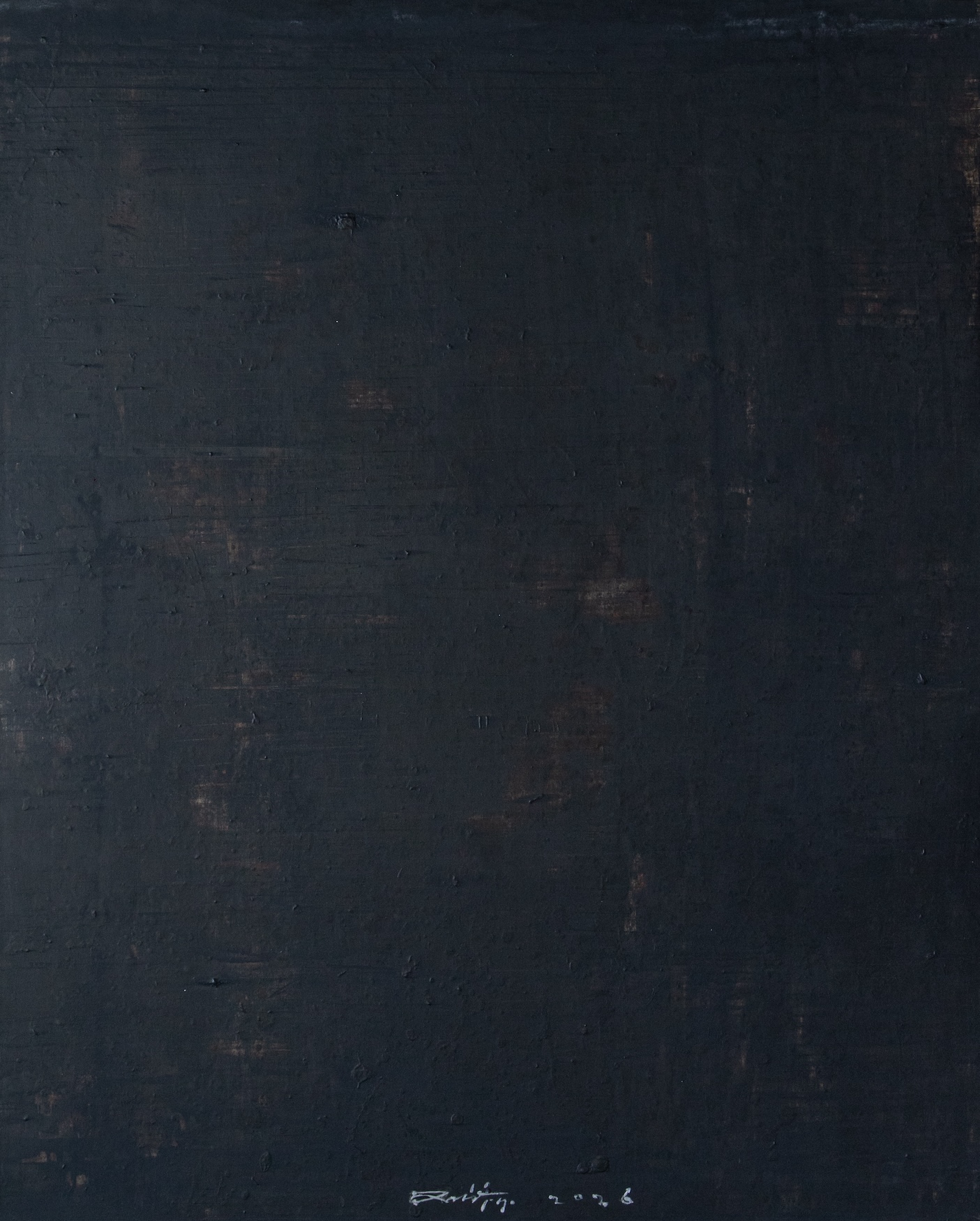
Endless steps IV, Acrylic on canvas, 168 x 137 cm, 2026
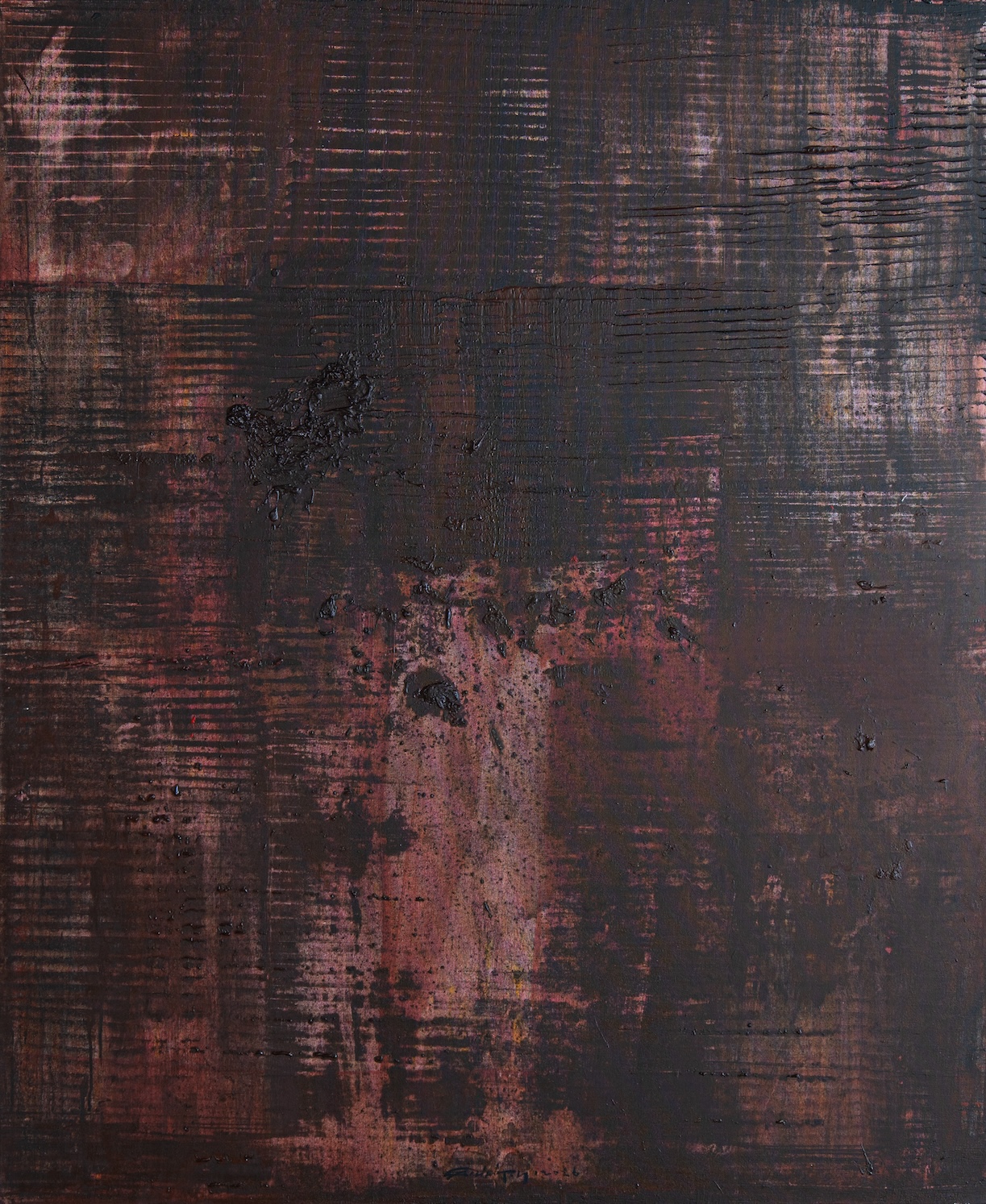
Endless steps V, Acrylic on canvas, 168 x 137 cm, 2026
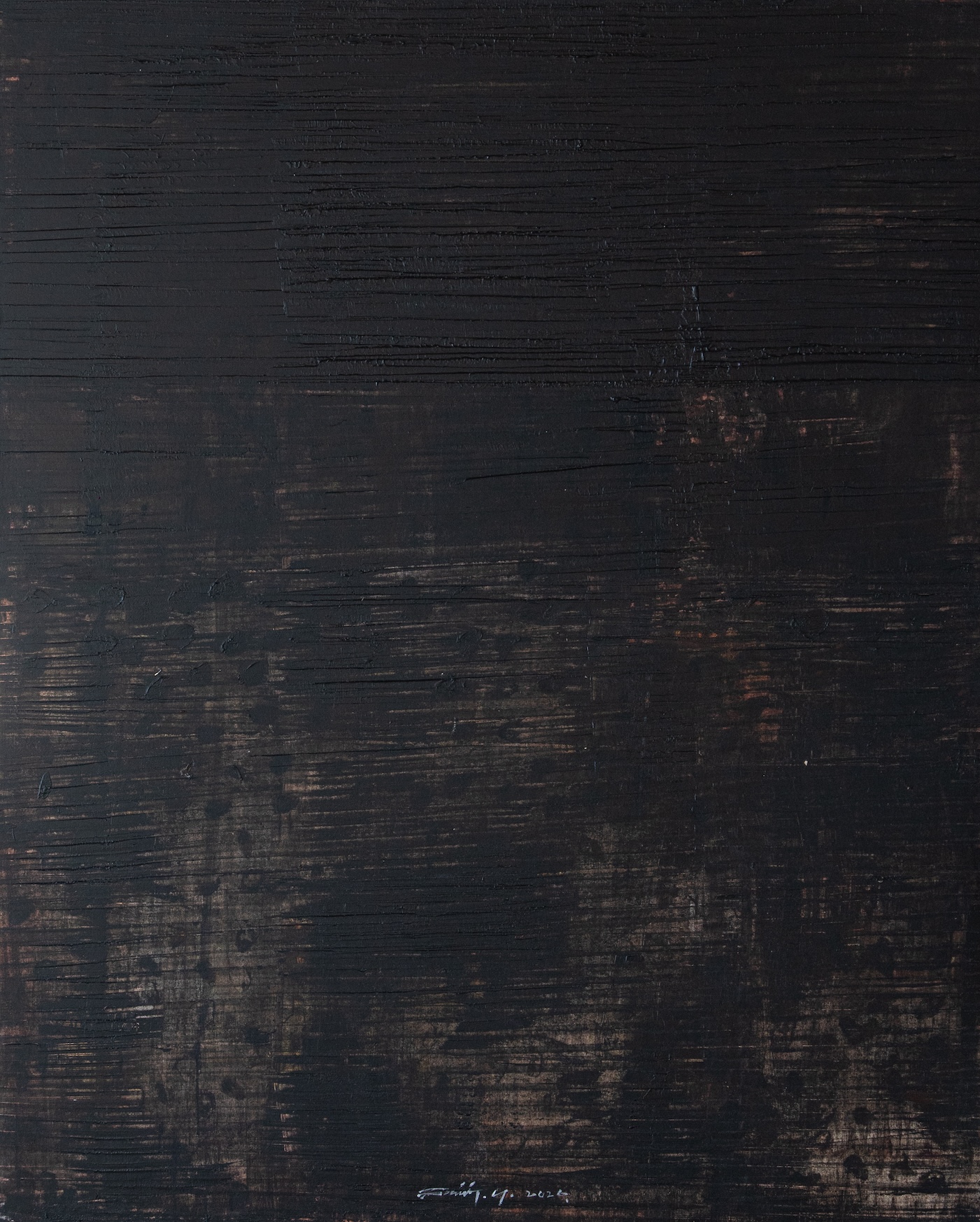
Endless steps VI, Acrylic on canvas, 168 x 137 cm, 2026
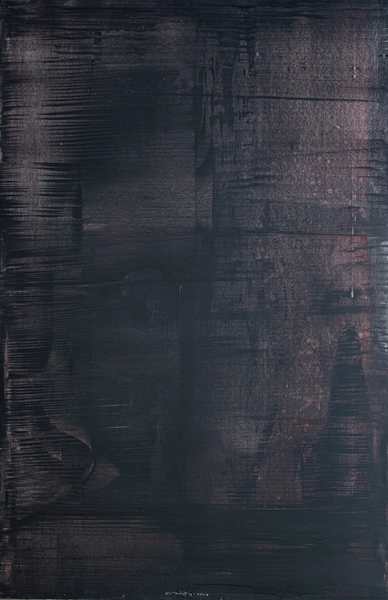
Endless steps VII, Acrylic on canvas, 234 x 152 cm, 2026
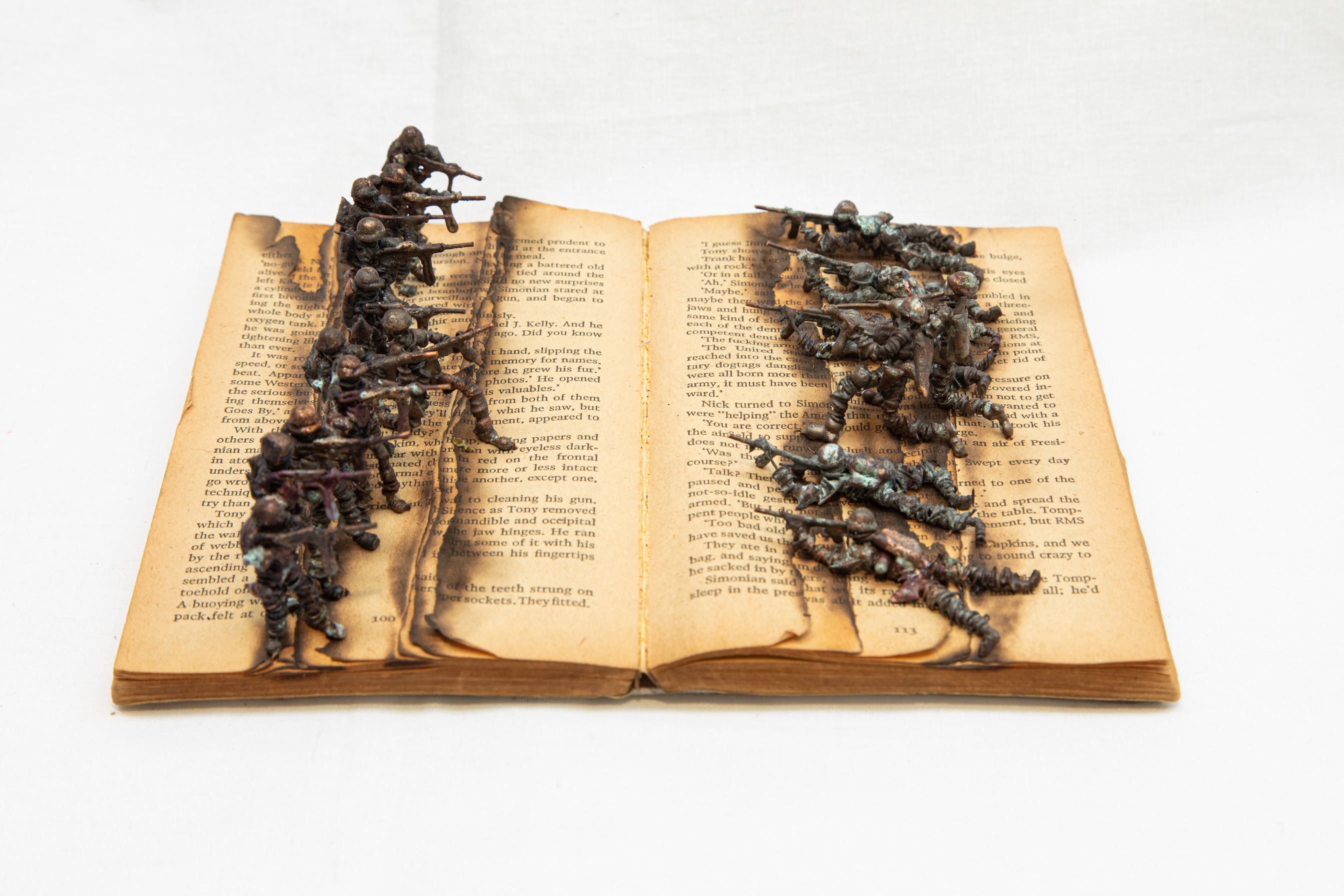
War text, Used book, copper figures, 17.7 x 22.8 x 6 cm, 2026
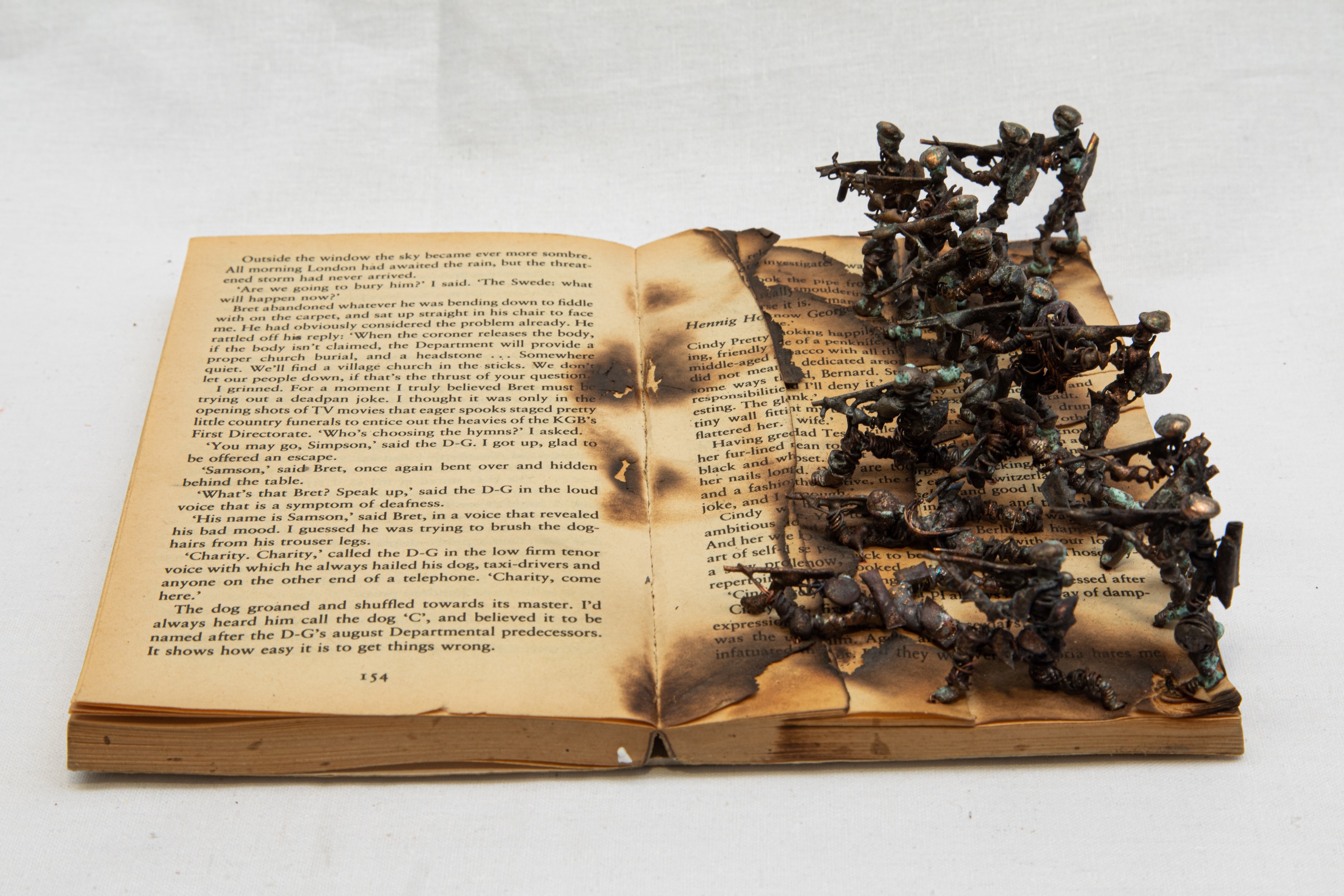
War text, Used book, copper figures, 17.7 x 22.8 x 6 cm, 2026
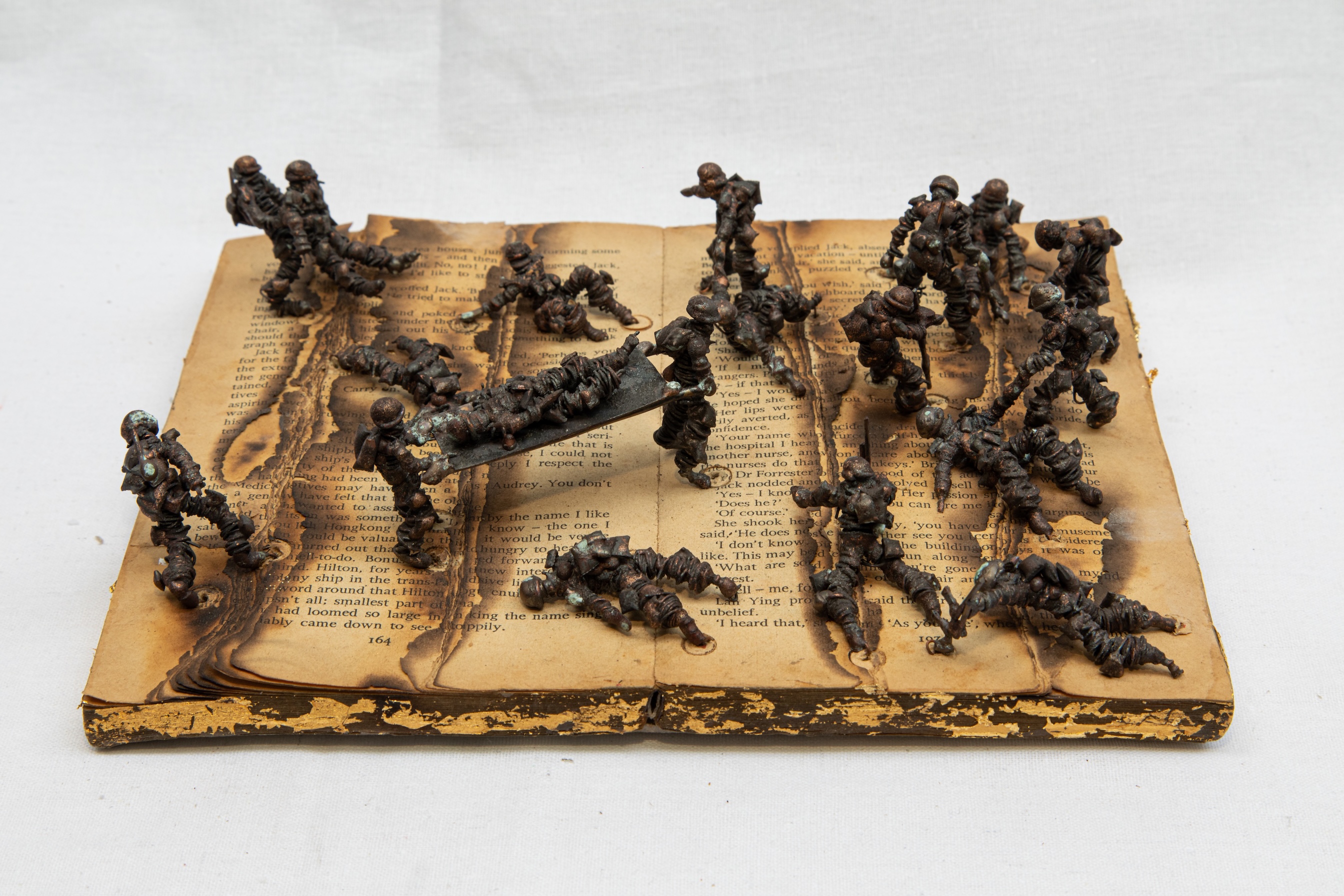
War text, Used book, gold leaf, copper figures, 17.7 x 22.8 x 6 cm, 2026
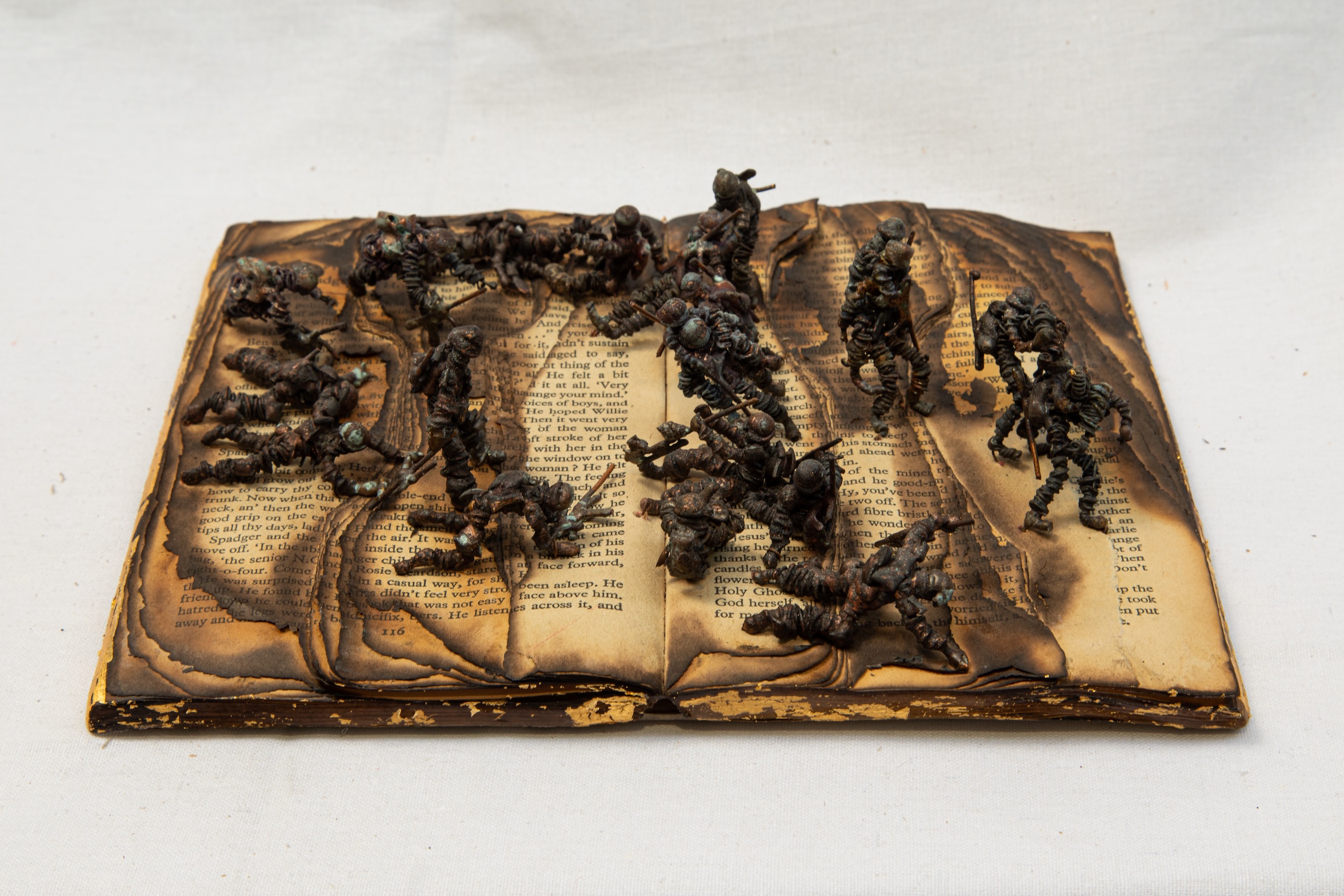
War text, Used book, gold leaf, copper figures, 17.7 x 22.8 x 6 cm, 2026
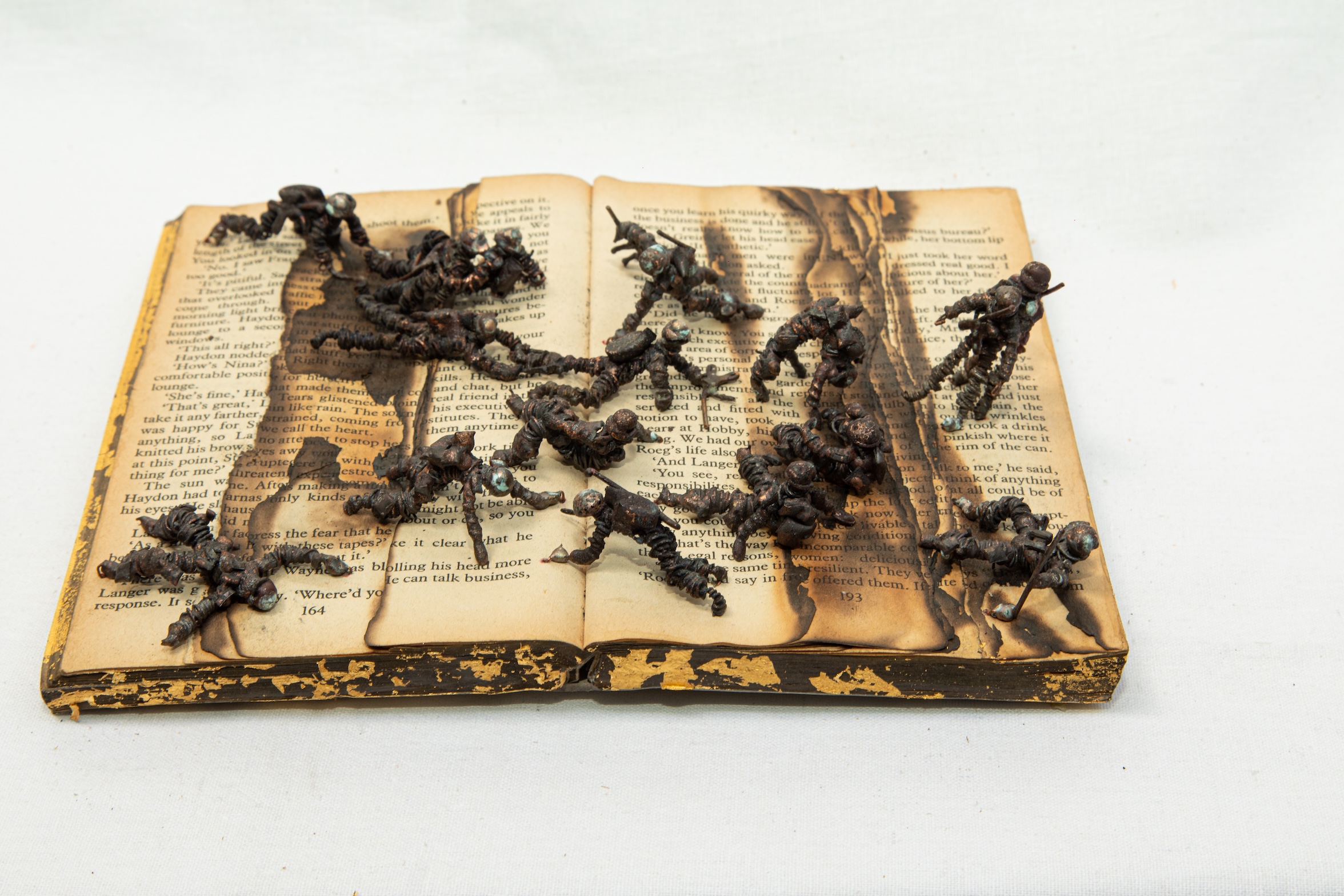
War text, Used book, gold leaf, copper figures, 17.7 x 22.8 x 6 cm, 2026
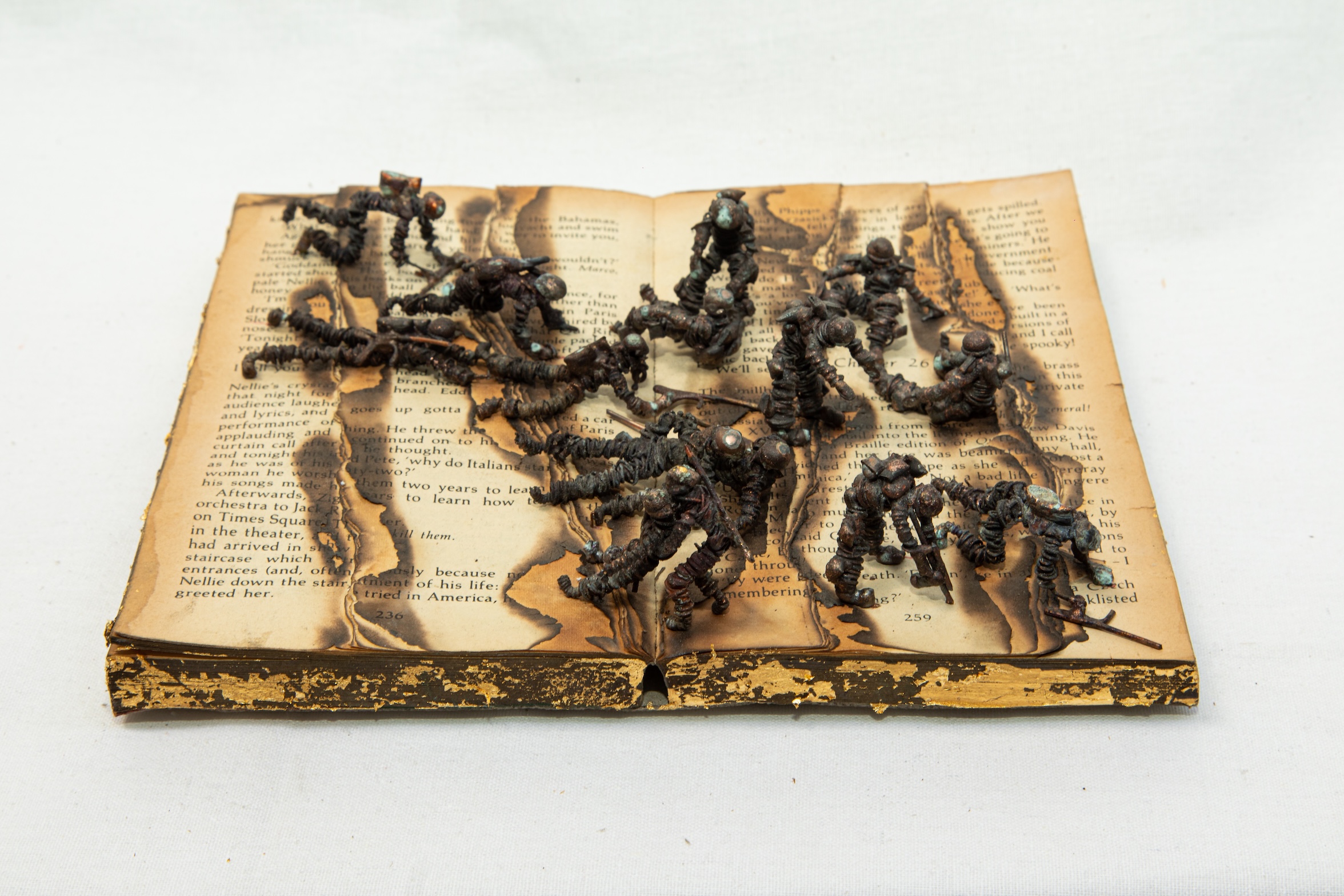
War text, Used book, gold leaf, copper figures, 17.7 x 22.8 x 6 cm, 2026
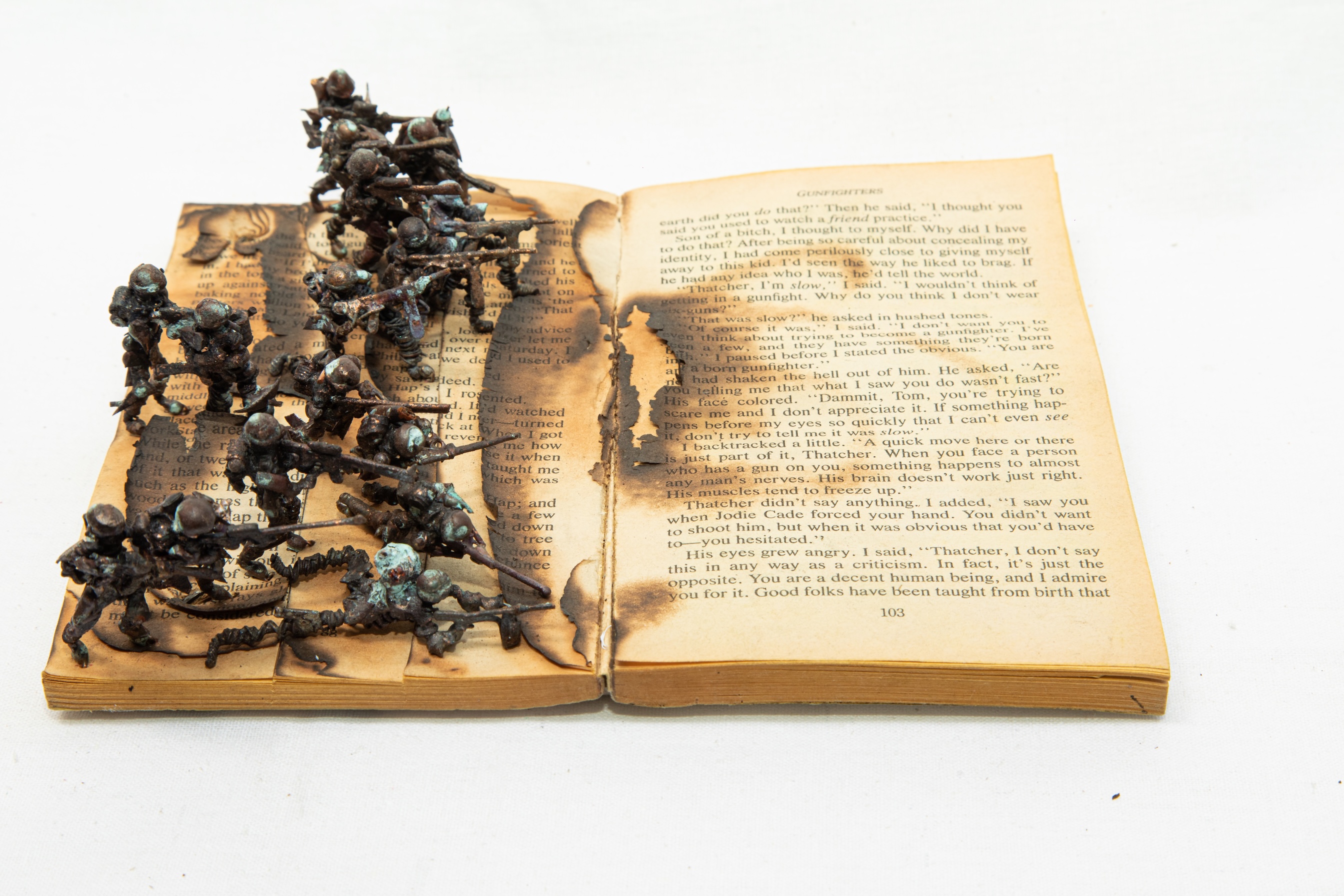
War text, Used book, copper figures, 17.1 x 22 x 5 cm, 2026
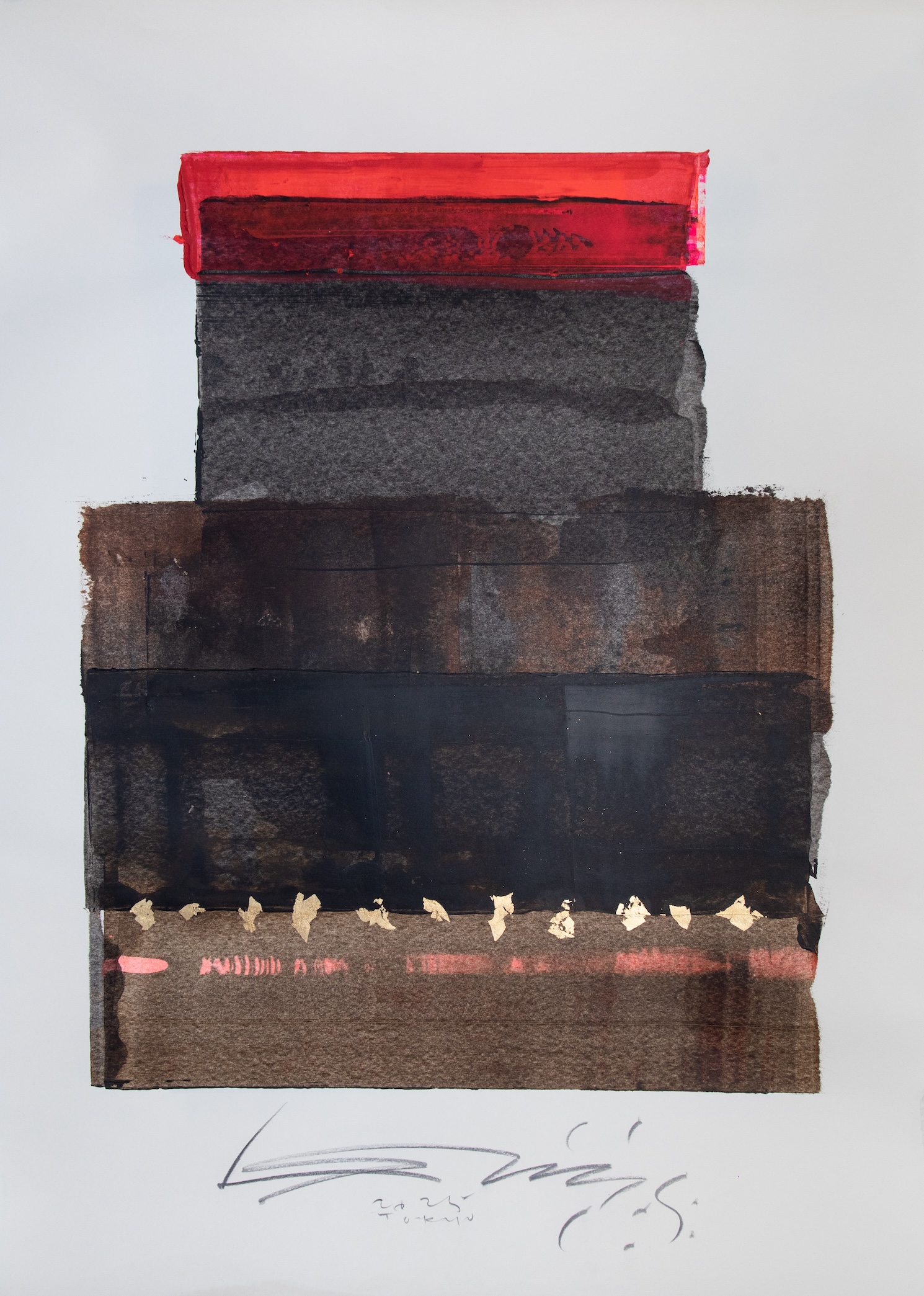
Untitled I, acrylic and gold leaf on paper, 109 x 79 cm, 2026
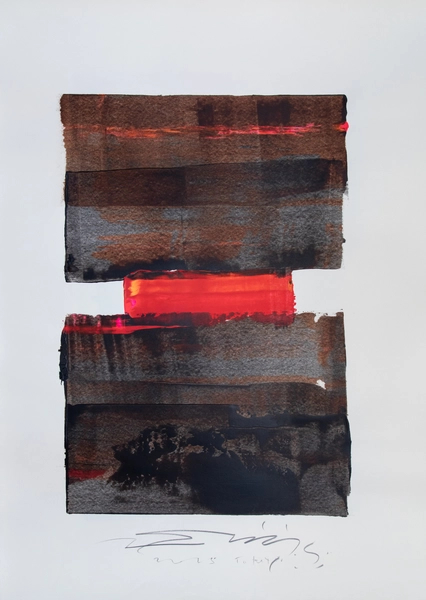
Untitled II, acrylic and gold leaf on paper, 109 x 79 cm, 2026
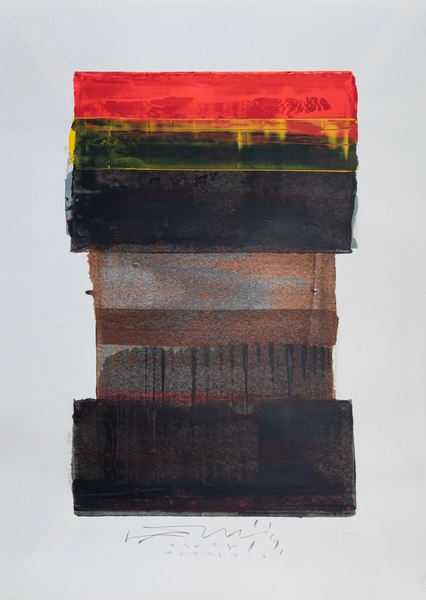
Untitled III, acrylic and gold leaf on paper, 109 x 79 cm, 2026
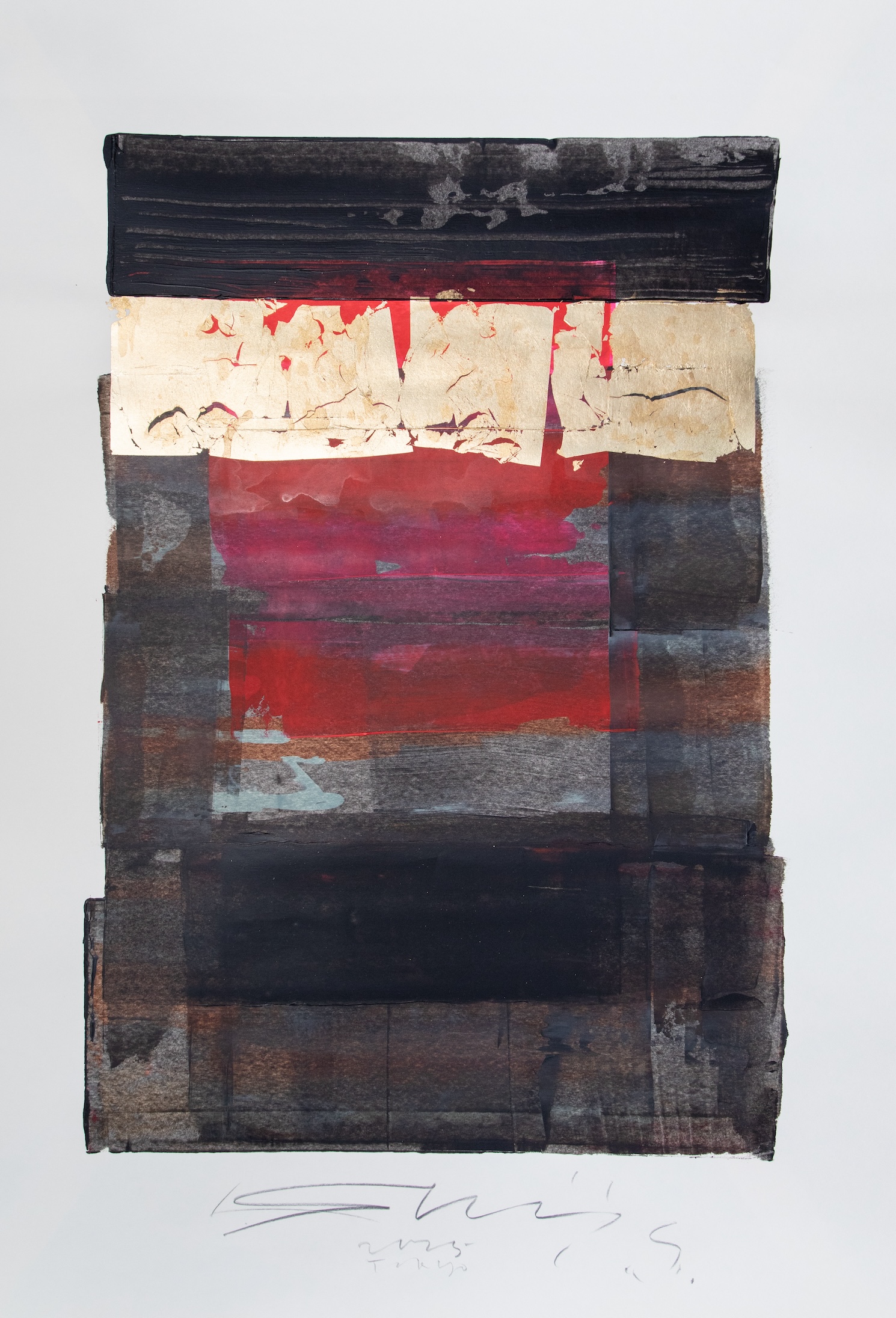
Untitled IV, acrylic and gold leaf on paper, 109 x 79 cm, 2026
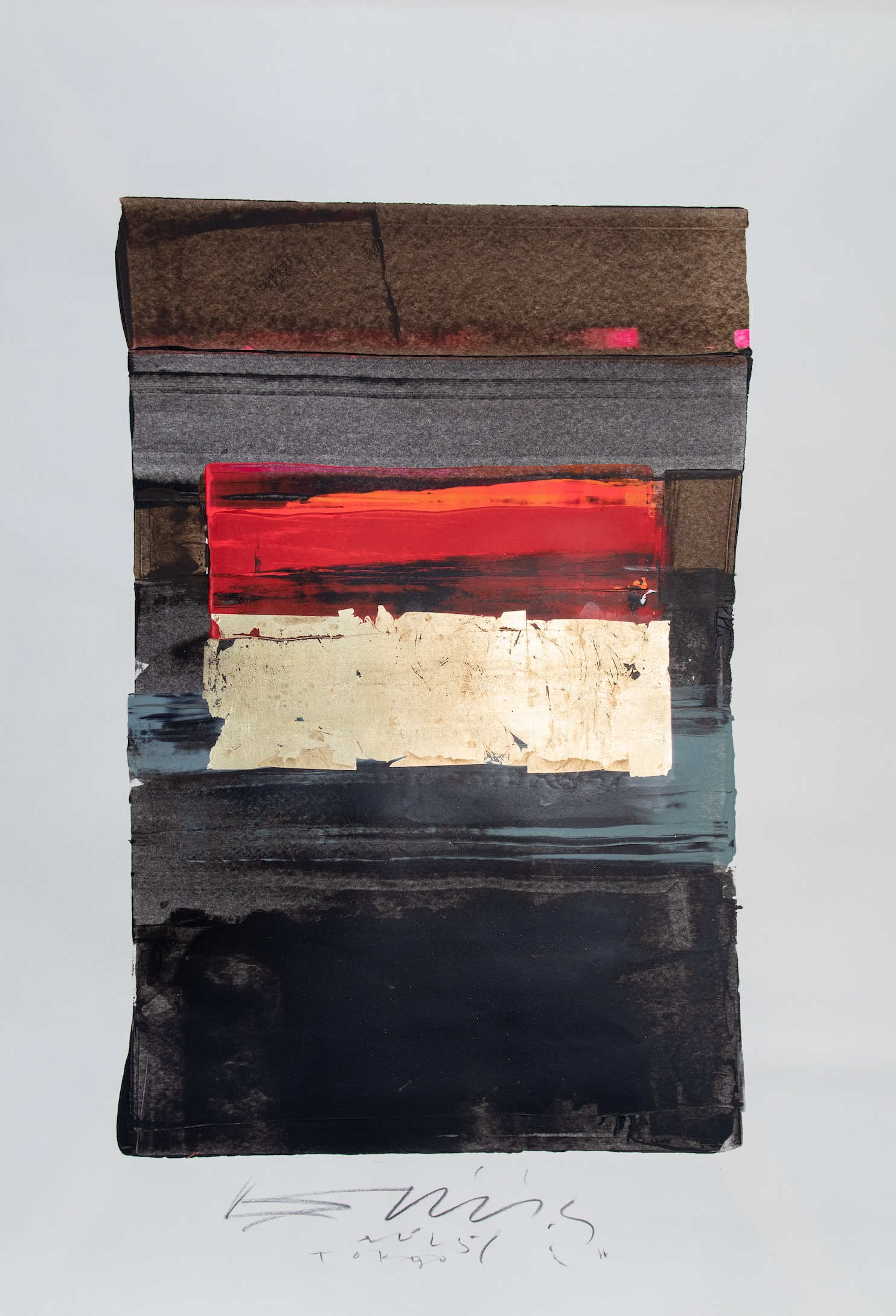
Untitled V, acrylic and gold leaf on paper, 109 x 79 cm, 2026
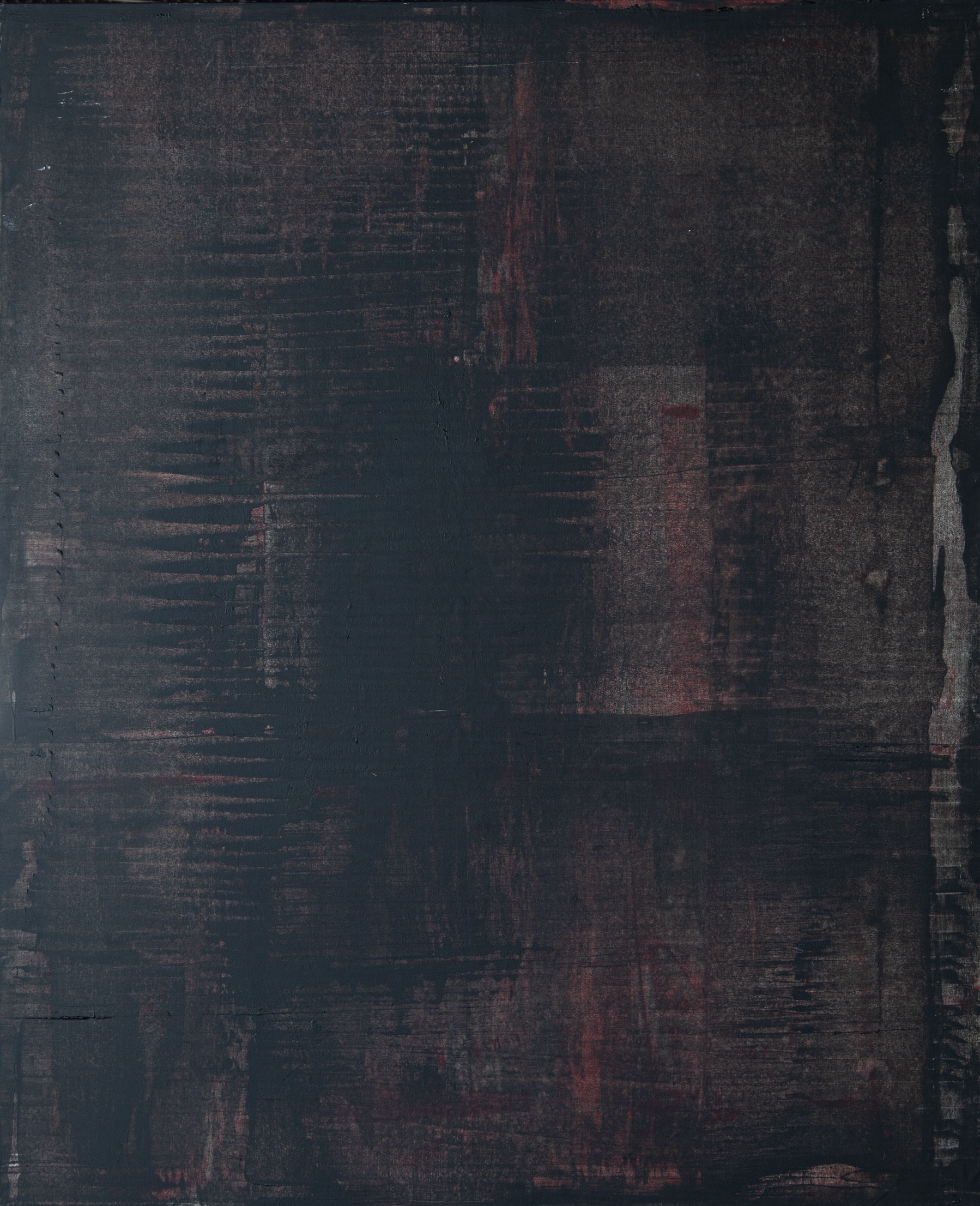
Endless steps VIII, Acrylic on canvas, 168 x 137 cm, 2026
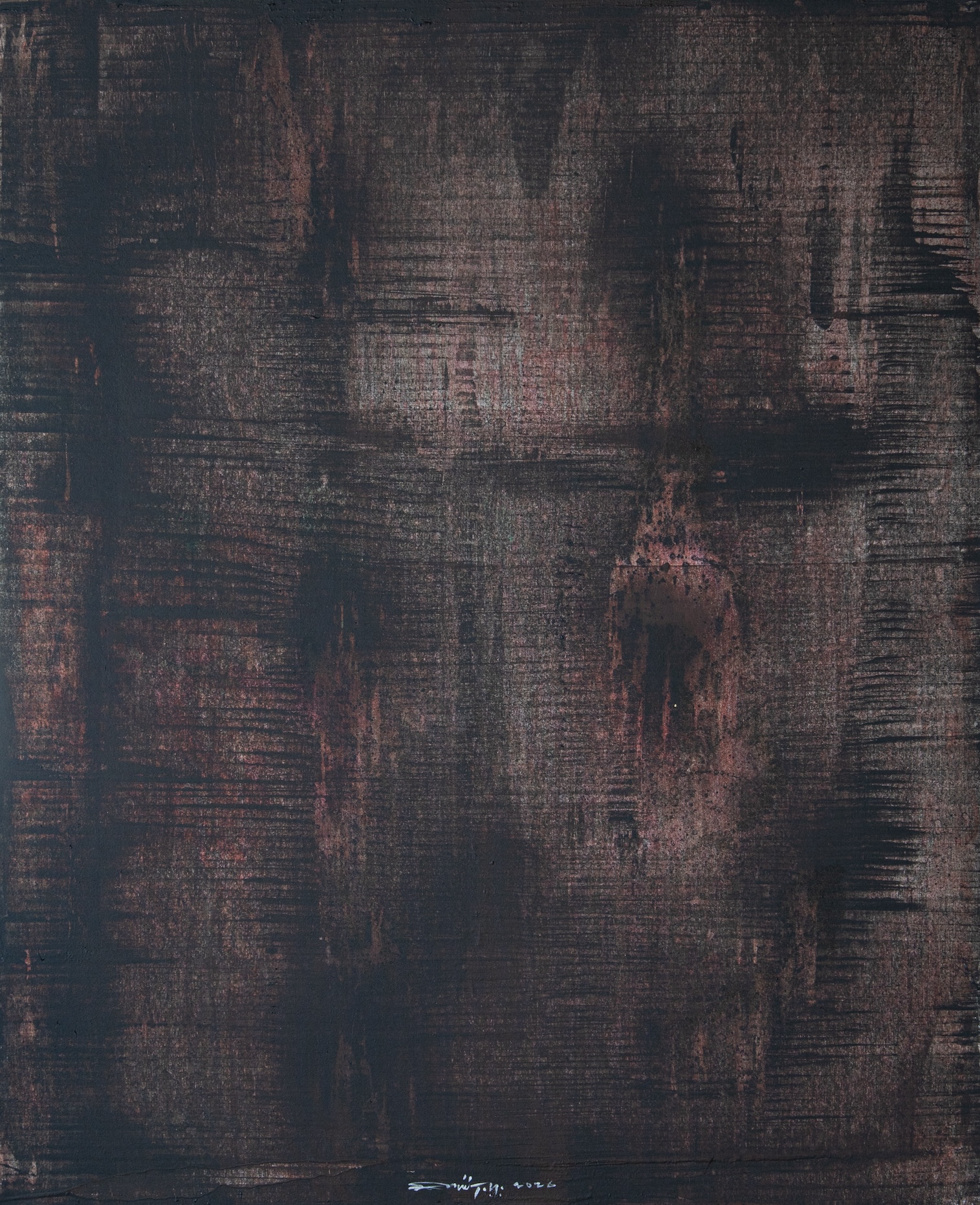
Endless steps IX, Acrylic on canvas, 168 x 137 cm, 2026
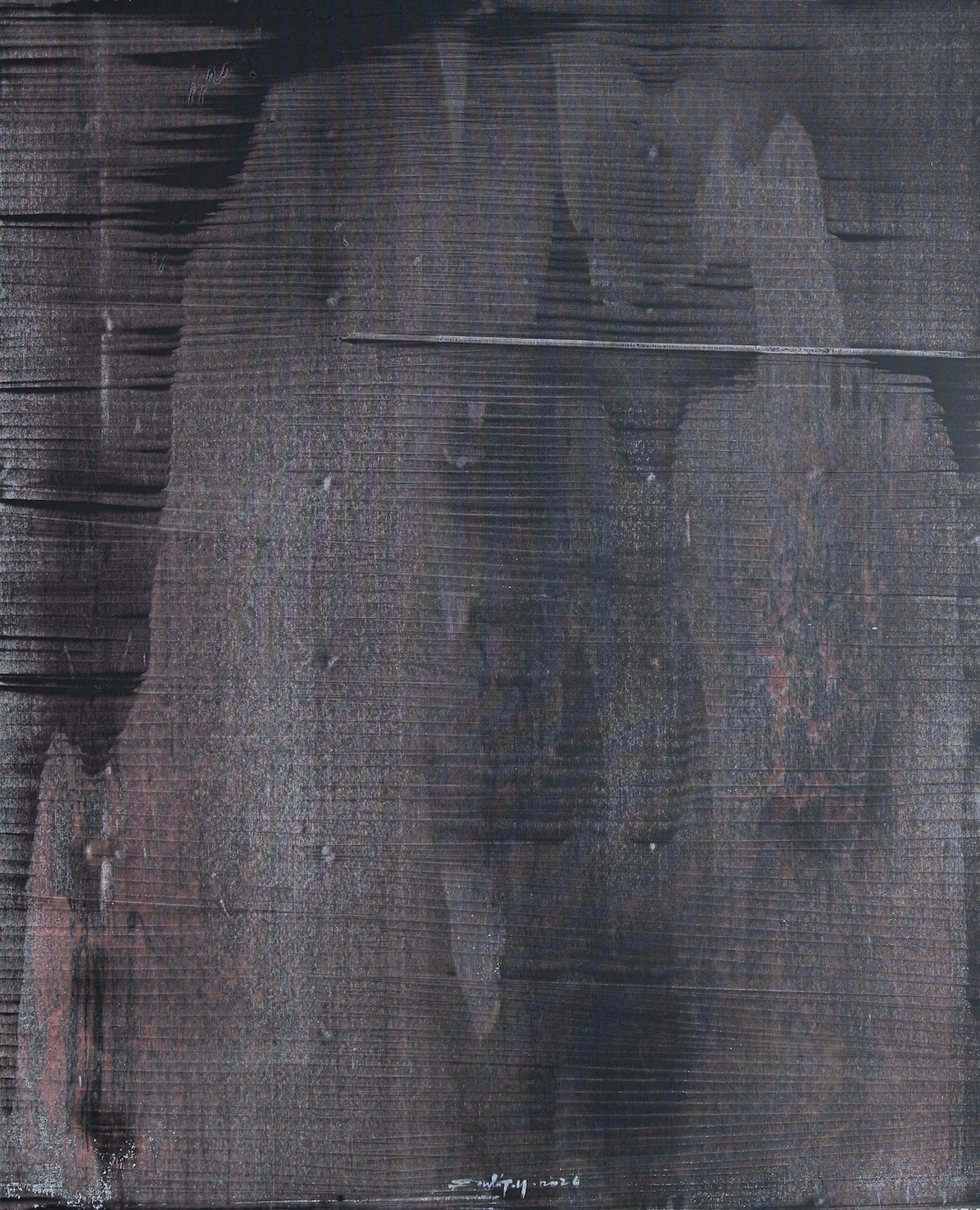
Endless steps X, Acrylic on canvas, 168 x 137 cm
Having trained as a painter in Colombo during the 1970s, Kingsley Gunatillake (b. 1951) was exposed to a unique style of abstraction, and with each body of work he evolves while simultaneously returning to his beginnings. ‘Endless Stairs’ is a display of abstraction composed of book art, sculptural installations, and paintings. Reminiscent of a veil that unveils in endless layers, the book art and paintings of ‘Endless Stairs’ leave us with questions: How are knowledge and education disrupted during conflict and crisis? How do we remember and pay respect to such disruptions during normalcy? Do such memories allow for normalcy at all?
In numerous pieces of book art in ‘Endless Stairs’, Gunatillake examines knowledge, its foundations, acquisition, and ultimate destruction, inspired by the tragic losses of libraries in the recent history of Sri Lanka. In 1981, for over two days, the Public Library in Jaffna was burning, and taking 97,000 books, manuscripts, and palm leaf scriptures in its flames. In 2007, a wing of the Public Library in Kandy was ablaze, destroying hundreds of publications. In 2022, during the citizens’ protests against the then Government, politicians’ personal libraries were lit on fire with revenge as their corrupt financial actions had taken away students’ access to education, as an indirect result of the lack of fuel, electricity, and essential items. Gunatillake’s practice of over five decades culminates in this exhibition, as a tribute to these moments among many others, linking Sri Lanka’s political history and knowledge through the symbol of the book. Each book is sourced second-hand, burned, and then branded with the military’s unwelcome involvement in library-burning protests in Sri Lanka. The welded steel figures of the military wield guns, stand ready to attack, and command a significant brooding presence over the text on each page. This is further signified with the tightly curated books in a single space, reminiscent of a library as well as a camp where troops would lie.
Alongside this series of book art, Gunatillake returns to his abstract paintings, where the page becomes a canvas. The paint layering process is more intricate than usual in this new series as he experiments with patterns and motifs that peek through during moments of intense visual meditation. The traditional Japanese washi paper, with their long textile fibers, absorbs colour differently to a mere canvas or paper surface, allowing the artist to do larger-than-life strokes both with deliberation and spontaneity. It is almost as if these paintings render a visualization of memories associated with the acts of brutality of books and libraries during times of conflict and crisis. After all, memory fails; it can be an illusion. Gunatillake alludes to this, as brighter hues of yellow, mauve, and blue appear from beneath the dark hues that resemble violence, much like the burn marks in the books. Darkness and sterility surround viewers in each work of art, while unexpected hues simultaneously seduce them.
- Pramodha Weerasekera
- Kingsley Gunatillake
- 3rd – 8th April, 2026
- News
- ARTRA Magazine
- Patriot
- Abir Pothi
- Indian Express
Endless steps I, Acrylic on canvas, 234 x 152 cm, 2026
Endless Stairs
< Back
Endless steps II, Acrylic on canvas, 234 x 152 cm, 2026
Endless Stairs
< Back
Endless steps III, Acrylic on canvas, 234 x 152 cm, 2026
Endless Stairs
< Back
Endless steps IV, Acrylic on canvas, 168 x 137 cm, 2026
Endless Stairs
< Back
Endless steps V, Acrylic on canvas, 168 x 137 cm, 2026
Endless Stairs
< Back
Endless steps VI, Acrylic on canvas, 168 x 137 cm, 2026
Endless Stairs
< Back
Endless steps VII, Acrylic on canvas, 234 x 152 cm, 2026
Endless Stairs
< Back
War text, Used book, copper figures, 17.7 x 22.8 x 6 cm, 2026
Endless Stairs
< Back
War text, Used book, copper figures, 17.7 x 22.8 x 6 cm, 2026
Endless Stairs
< Back
War text, Used book, gold leaf, copper figures, 17.7 x 22.8 x 6 cm, 2026
Endless Stairs
< Back
War text, Used book, gold leaf, copper figures, 17.7 x 22.8 x 6 cm, 2026
Endless Stairs
< Back
War text, Used book, gold leaf, copper figures, 17.7 x 22.8 x 6 cm, 2026
Endless Stairs
< Back
War text, Used book, gold leaf, copper figures, 17.7 x 22.8 x 6 cm, 2026
Endless Stairs
< Back
War text, Used book, copper figures, 17.1 x 22 x 5 cm, 2026
Endless Stairs
< Back
Untitled I, acrylic and gold leaf on paper, 109 x 79 cm, 2026
Endless Stairs
< Back
Untitled II, acrylic and gold leaf on paper, 109 x 79 cm, 2026
Endless Stairs
< Back
Untitled III, acrylic and gold leaf on paper, 109 x 79 cm, 2026
Endless Stairs
< Back
Untitled IV, acrylic and gold leaf on paper, 109 x 79 cm, 2026
Endless Stairs
< Back
Untitled V, acrylic and gold leaf on paper, 109 x 79 cm, 2026
Endless Stairs
< Back
Endless steps VIII, Acrylic on canvas, 168 x 137 cm, 2026
Endless Stairs
< Back
Endless steps IX, Acrylic on canvas, 168 x 137 cm, 2026
Endless Stairs
< Back
Endless steps X, Acrylic on canvas, 168 x 137 cm
Endless Stairs
< Back